
Connect before … well, pretty much anything
Craig Browne
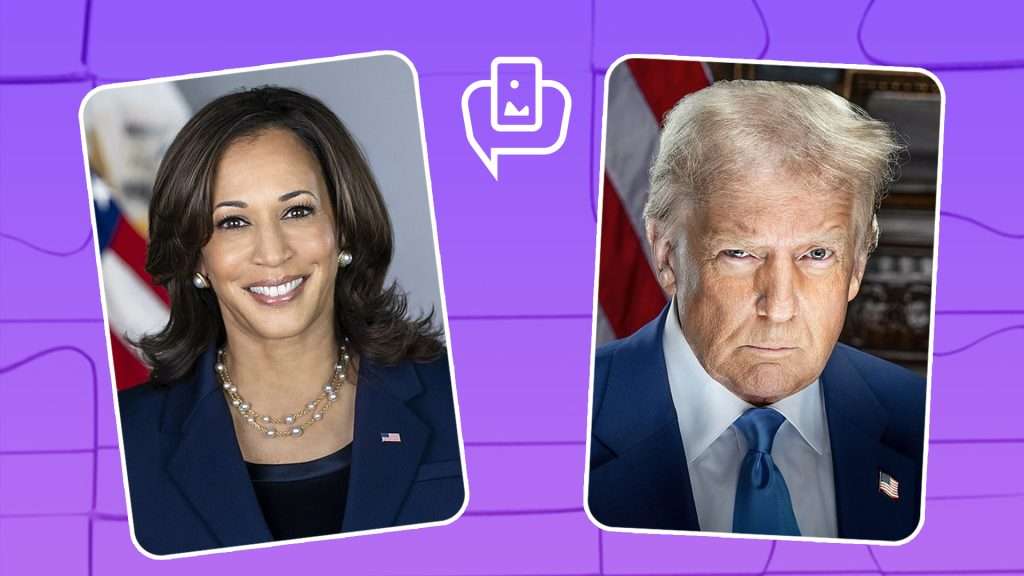
Question: In the 2024 presidential candidate debate, who said:
“I believe very strongly that the American people want a president who understands the importance of bringing us together knowing we have so much more in common than what separates us.”
A) Kamala Harris?
B) Donald Trump?
Regardless of which candidate in this debate you were rooting for*, I believe that deep down anyone would be hard pushed to disagree with it. We are all children, we all breathe, we are mortal, we need to belong, we need relationship, we want to be heard. We want to be loved. Why? Because we are human – the most capable, and highly social animals we know about.
Forgive my idealistic soapbox opening, but Harris’ statement is an urgent and powerful call to all of us to grab onto our common humanness and build from there. Start by building relationships based on what we have in common, before moving to tackle our different needs and beliefs and challenges – which can sometimes make things harder. But this is not just idealism, this is an understood way to establish trust, safety, reduce prejudice, lower stress, and to lift engagement, productivity and team performance 1 2 3.
As Vivek Murthy, a former Surgeon General of the United States, writes in his book Together,
“Real meaning and purpose in community, comes from having a common cause, rooted in a common belief.”
We all know this. It’s built into us. And oh my, do we need this now! Both for our personal well-being and the health of our workplace teams (not to mention outright world peace).
As much as I am interested in the personal and world peace side of things, it’s the team side I want to focus upon here – particularly as it applies to remote working environments.
In her still surprisingly relevant 2006 article, “If I cannot see them, how can I lead them?”, Susan Gerke, a business consultant and former IBM management development professional (now retired), shares nine key questions managers were asking when managing remote individuals and teams.
Here’s four of my favourites:
- How can I get to know them when we have not even met face-to-face?
- How can I communicate effectively with each person?
- How can we get team decisions made on a timely basis?
- How do I build a team and gain synergy?
Gerke stresses these things don’t get resolved without attention and she highlights three foundational leadership keys that can help:
- building and maintaining relationships
- communicating appropriately
- focusing on team performance.
Gerke acknowledges that these things are required for good leadership in any situation, but stresses they can be more challenging when remote. Admittedly, there are a few more options now than in 2006 (the first Skype video began that year), but for the #1 leadership key, building and maintaining relationships, which I am most interested in here, not much has changed in almost 20 years of online tech –
Face-to-face is best for relationship building
If you can have a face-to-face to get to know each other – do it. Especially early in the relationship (the well-known, Forming Stage). And make relationship building the majority of the agenda for that gathering. (adapted from Gerke)
This rings so true for me, and I bet for you too. Even with today’s incredible online communication methods, most people I meet still say something like, “The best team-builders are face-to-face”, or, “There’s nothing like being in the room to really nut things out together – it just feels better.”
Importantly, well-structured inclusive face-to-face experiences will foster participant movement and impromptu gatherings, encourage group reflection and debate, and include a variety of tactile activities. They are also peppered with perceptions of body language, emotional connection, and direct observation of behaviour patterns and group dynamics. All of which contribute to really getting to know each other.
This is not to say that building relationships in-person is always easy, or always successful. But it does seem to be generally preferred to online gatherings.
This is probably not really surprising. We are after all organic, squishy, nerve-wired, oxytocin-producing, social beings tuned to assess and respond to people and things in our nearby real-world surroundings. So, yeah … in-person is good. 🙂
Make time in online meetings to build relationships and do it well
When you must meet online, be sure to dedicate time at the beginning of the event to build relationships. Include activities that have each person sharing about themselves. Gerke suggests a few simple ones like: what challenges they have for the week, or something they are proud of.
(adapted from Gerke)
Again, it is so easy to agree with this advice. But I do want to extend Gerke’s suggestions here beyond simple verbal individual Q&A icebreaker-style activities. This is better than just starting with sales reports, but we need to go deeper. We need to tap our humanness and build emotional connection.
Connection before … everything
Whether you are meeting to plan, solve a problem, create something new or celebrate, to truly build and maintain relationships in remote/online contexts, you have to deliberately make moments for people to uncover common connections, life experiences, common beliefs, purposes and causes.
These things are the glue that can hold teams together without regular in-person contact. And they are the keys to unlocking the promised productivity and engagement benefits enjoyed by teams that can address conflict, invite diversity, promote equal voice, support risk and efficiently handle challenges.
The important thing is to truly connect first, before delving into the tasks. If it’s worth doing, and you want it to last, start with human connection. Or, to borrow from Kamala Harris … Bring your people together by helping them discover how much more they have in common than that which separates them.
Follow up: I am pleased to say that with the addition of our digital CCS Cards platform, facilitators are able to offer an online emotionally engaging experience that, while not the same, is comparable to our well-known in-room image card activities. If you would like to know more, take a look: The power of image cards from anywhere
* I was definitely for Harris

 CCS CARDS